Getting to Machu Picchu is not difficult, but it can feel complicated if you don’t understand how transportation in the Cusco region works. Unlike many tourist destinations, Machu Picchu is not accessible by a single direct road. Travelers must combine several transportation methods depending on their starting point, budget, and time constraints.
This guide explains the most common and practical ways to reach Machu Picchu, focusing on real travel logistics rather than tour marketing.
Starting Point: Cusco
Most travelers begin their journey in Cusco, the main transportation hub of southern Peru. From here, you cannot drive directly to Machu Picchu. The closest town to the site is Aguas Calientes, also known as Machu Picchu Pueblo.
Option 1: Train via Ollantaytambo
This is the most popular and reliable method.
First, travelers go from Cusco to Ollantaytambo, either by taxi, shared van, or private transfer. The drive takes around 1.5 to 2 hours through the Sacred Valley.
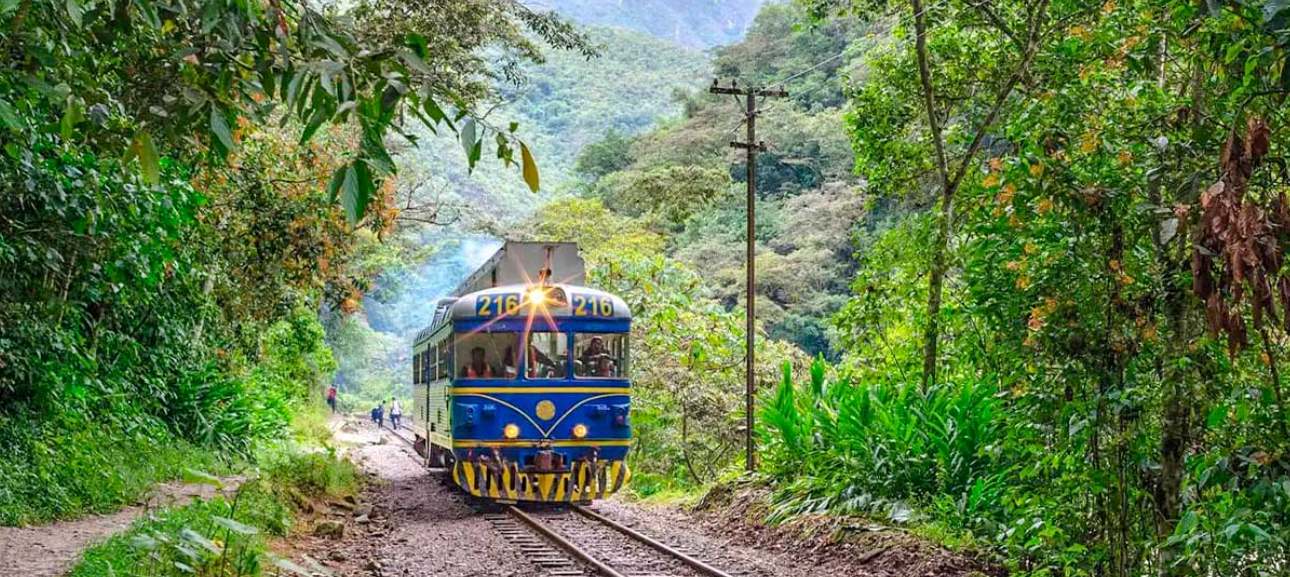
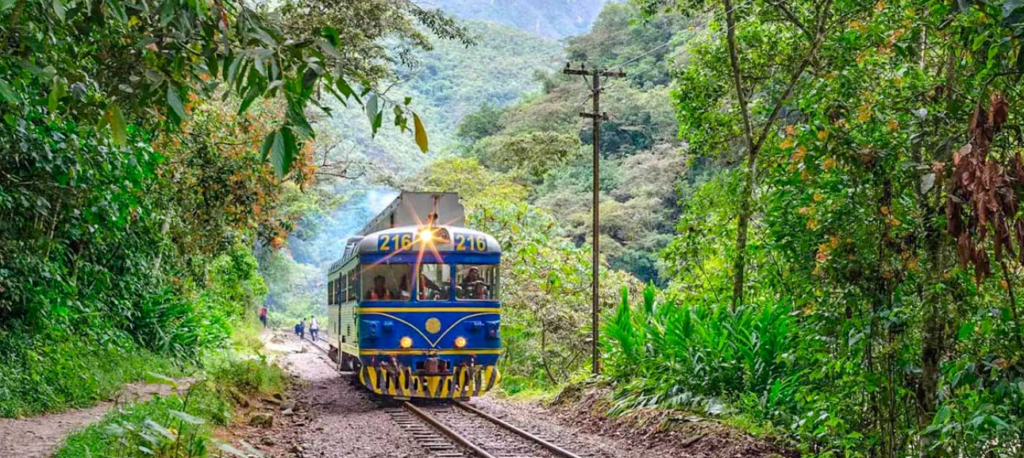
From Ollantaytambo, trains operated by PeruRail or Inca Rail travel directly to Aguas Calientes. The train ride lasts about 1.5 hours and follows the Urubamba River, offering scenic mountain views.
Best for:
- First-time visitors
- Travelers with limited time
- Those wanting a smooth, predictable route
Option 2: Train from Cusco (Poroy or San Pedro)
Some trains depart directly from Cusco stations during certain seasons. While this removes the need for a road transfer, schedules are limited and prices are often higher.
This option is convenient but less flexible compared to departing from Ollantaytambo.
Option 3: Car + Train Combination (Hydroelectric Route)
Budget travelers sometimes choose the alternative route via Hidroeléctrica.
This involves:
- A long drive from Cusco to Hidroeléctrica (6–7 hours)
- A flat hike or short train ride to Aguas Calientes
This route is cheaper but less comfortable and highly dependent on weather and road conditions.
Best for:
- Budget travelers
- Backpackers
- Flexible schedules
Reaching Machu Picchu from Aguas Calientes
Once in Aguas Calientes, travelers must take a bus or hike up to the Machu Picchu entrance.
- Bus: 25 minutes, frequent departures
- Hike: 1.5–2 hours uphill, physically demanding
Most visitors choose the bus, especially early in the morning.
Common Transportation Mistakes
- Assuming Machu Picchu is reachable by car
- Not accounting for transfer times
- Booking tight connections without buffer
- Ignoring weather-related delays
Practical Tips
- Book trains in advance during peak season
- Stay one night in Aguas Calientes for flexibility
- Use early morning transport for better conditions
Final Thoughts
Transportation to Machu Picchu requires planning, but once you understand the routes, it becomes straightforward. Choosing the right combination of road and rail depends on your travel style, budget, and priorities. A calm, well-timed journey makes the Machu Picchu experience far more enjoyable.